Catkins: a sign of spring

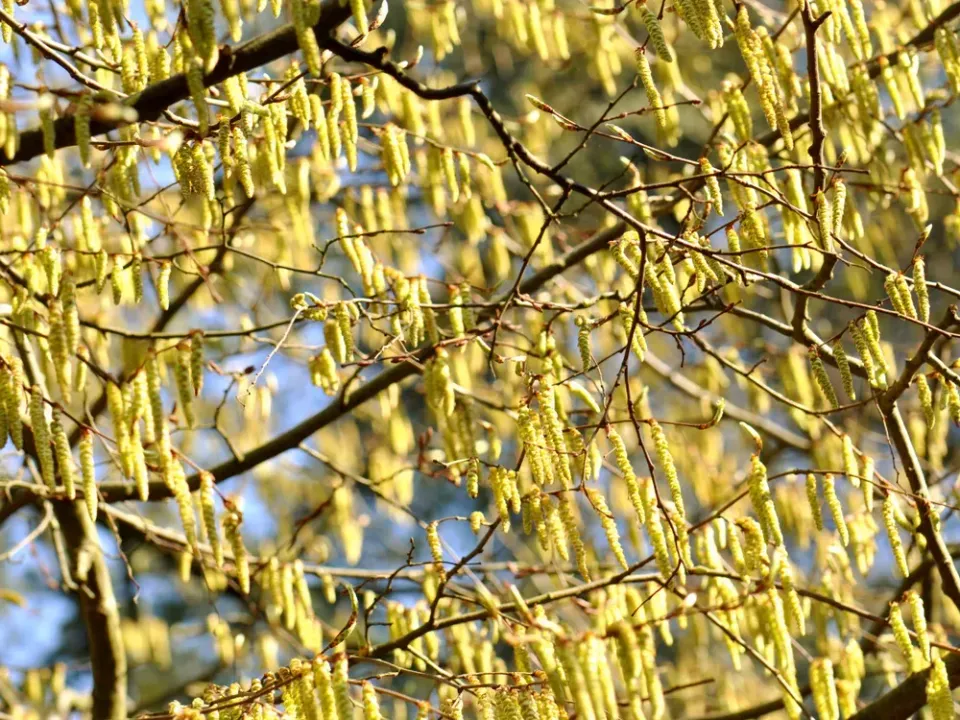
Out in our green spaces, the first signs of spring are starting to appear. Snowdrops, emerging daffodils, and clearly spotted hanging off the trees - catkins. Even on the busiest of streets, you’d be able to spot them swaying with the wind!
WHAT ARE CATKINS?
Catkins are wind-pollinated flowers that are typically long, slim, and hang from tree branches in clusters. They often have no flowers and are usually male. Their appearance strays from the classic bright, scented flowers, which need to attract animals for pollination.
Catkins are first closed, and open up once they mature, releasing lots of pollen into the air. They flower early in late winter or early spring, before the leaves begin to grow, so that they don't get in the way of the pollen travelling!

How they're dispersed
Wind pollination is key to supporting the reproduction of trees with catkins, since they can disperse the pollen from the usually male flowers to a waiting female flower. Catkins produce incredibly high volumes of pollen because lots of pollen can be wasted on this journey. However, it's still extremely efficient at a time when pollinating insects are not yet active.
Several trees produce catkins to disperse pollen. These include hazel, alder, silver birch, oak and white willow.

BEST TIME TO GO CATKIN-SPOTTING
Here is when you can look out for catkins:
- Hazel: January to March
- Alder: February to March
- Silver Birch: March to May
- Oak: April to May
- White Willow: April to May
Catkins have an important role in ensuring the reproduction and survival of many tree species. On your next nature walk, keep an eye out for these fascinating flowers and remember that spring is on the way!
Intreeducing trees

How to identify trees in winter
19 January 2026
Check out this guide by the Field Studies Council to help with winter tree identification.

Intreeducing: The Scots Pine
2 February 2026
Supporting around 1,600 species, the Scots Pine is an evergreen beauty that plays a vital role in Scottish heritage and culture. Learn more about Scots Pine.

Intreeducing: The Mighty Oak
14 November 2025
Discover the mighty oaks, from ancient forests to modern landscapes, and why these majestic trees are celebrated as icons of resilience and hope.
Donate to Trees for Cities and together we can create leafy, liveable cities now and for future generations.
Donate